For people researching chronic knee pain
Why Some People With “Bone-on-Bone” Knees Are Looking Beyond Surgery
If you’ve been told your knee pain is something you may have to live with — or eventually fix with surgery — this short video may challenge that idea.
The video explains a different way to think about stiffness, friction, and joint discomfort without jumping straight to pills, injections, or surgery.
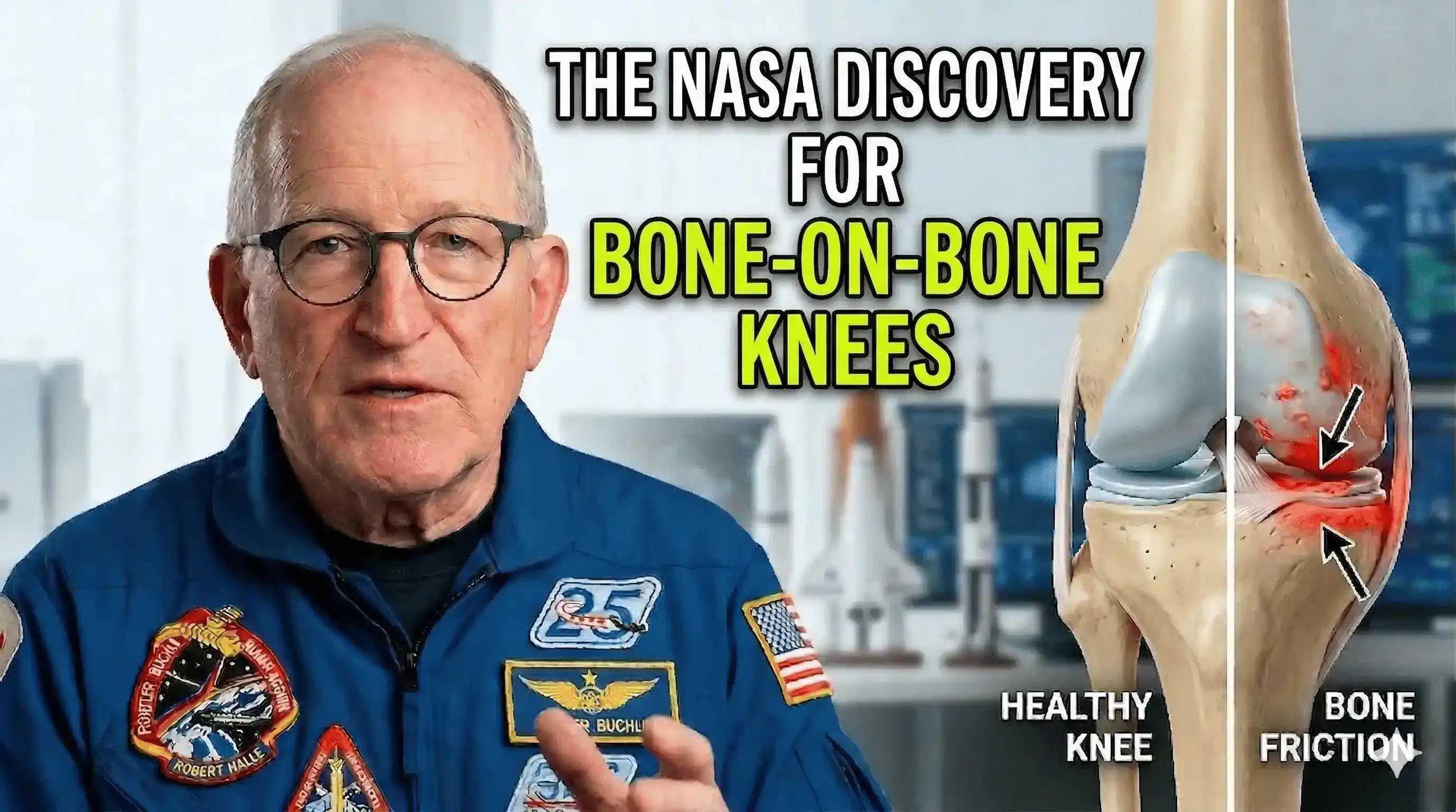
In the next few minutes, you’ll see why many common approaches may not address the full picture — and what some people are starting to look at instead.
Many people with chronic knee pain hear the same advice over and over: take something for the pain, rest more, try injections, or prepare yourself for a possible procedure.
The problem is that many of those options focus mainly on managing discomfort — while the person is still left wondering why the stiffness, pressure, or “bone-on-bone” feeling keeps coming back.
What If The Problem Is Not Only “Wear And Tear”?
The video introduces a different perspective: knee discomfort may involve more than age, weight, or simple overuse.
It discusses the role of joint lubrication, friction, pressure, and the internal environment of the knee — the kind of details many people never hear during a rushed appointment.
This is not about promising a miracle. It is about understanding why some people keep searching after pills, creams, exercises, and injections do not give them the lasting relief they hoped for.
Why This Video Is Getting Attention
The presentation features an engineering-based explanation of joint stress, friction, and lubrication — comparing painful knees to systems that can lose smooth movement when internal support breaks down.
That angle is different from the usual “just take something for the pain” message. And for people who are already afraid surgery may be the only option left, that difference matters.
Who Should Watch This?
This video is for people dealing with knee stiffness, chronic discomfort, reduced mobility, “bone-on-bone” concerns, or fear that their next step may involve surgery.
If you have already tried multiple options and still feel skeptical, that is normal. The video was made exactly for people who want to understand what else may be worth looking into before giving up.